Evidence-Based Herbal Medicine: WHO-Approved Herbs & Clinical Studies (2026)
Evidence Based Herbal Medicine bridges traditional plant-based healing with modern scientific research. In 2026, global health authorities, including the World Health Organization (WHO), recognize the growing role of medicinal herbs when they are supported by clinical studies, standardized dosing, and safety guidelines.
This pillar guide explains what evidence-based herbal medicine truly means, how WHO evaluates herbs, which plants have clinical backing, and how you can use herbal medicine responsibly and safely. In modern healthcare, Evidence Based Herbal Medicine plays an important role by bridging traditional knowledge with clinical studies and WHO guidelines.

What Is Evidence-Based Herbal Medicine?
Evidence-based herbal medicine refers to the use of medicinal plants whose benefits, safety, and dosage are supported by:
- Clinical trials
- Systematic reviews
- Pharmacological studies
- WHO monographs and national pharmacopeias
Unlike folk remedies based only on tradition, evidence-based herbal medicine combines traditional knowledge + modern science.
scientific herbal medicine
Why Evidence Based Herbal Medicine Matters in 2026
With rising interest in natural health, misinformation has also increased. Google’s 2026 Helpful Content system prioritizes:
- Accuracy
- Transparency
- Real-world expertise
- Safety disclosures
Evidence-based herbal medicine protects users by ensuring:
- Herbs are effective for specific conditions
- Risks and interactions are disclosed
- Dosages are standardized
clinical herbal research
WHO’s Role in Herbal Medicine Validation
The World Health Organization (WHO) publishes herbal monographs that evaluate:
- Traditional use
- Active compounds
- Clinical evidence
- Safety profile
- Contraindications
WHO does not approve herbs like drugs, but it validates their documented medical use.
WHO-approved medicinal herbs
Examples of WHO-Recognized Medicinal Herbs
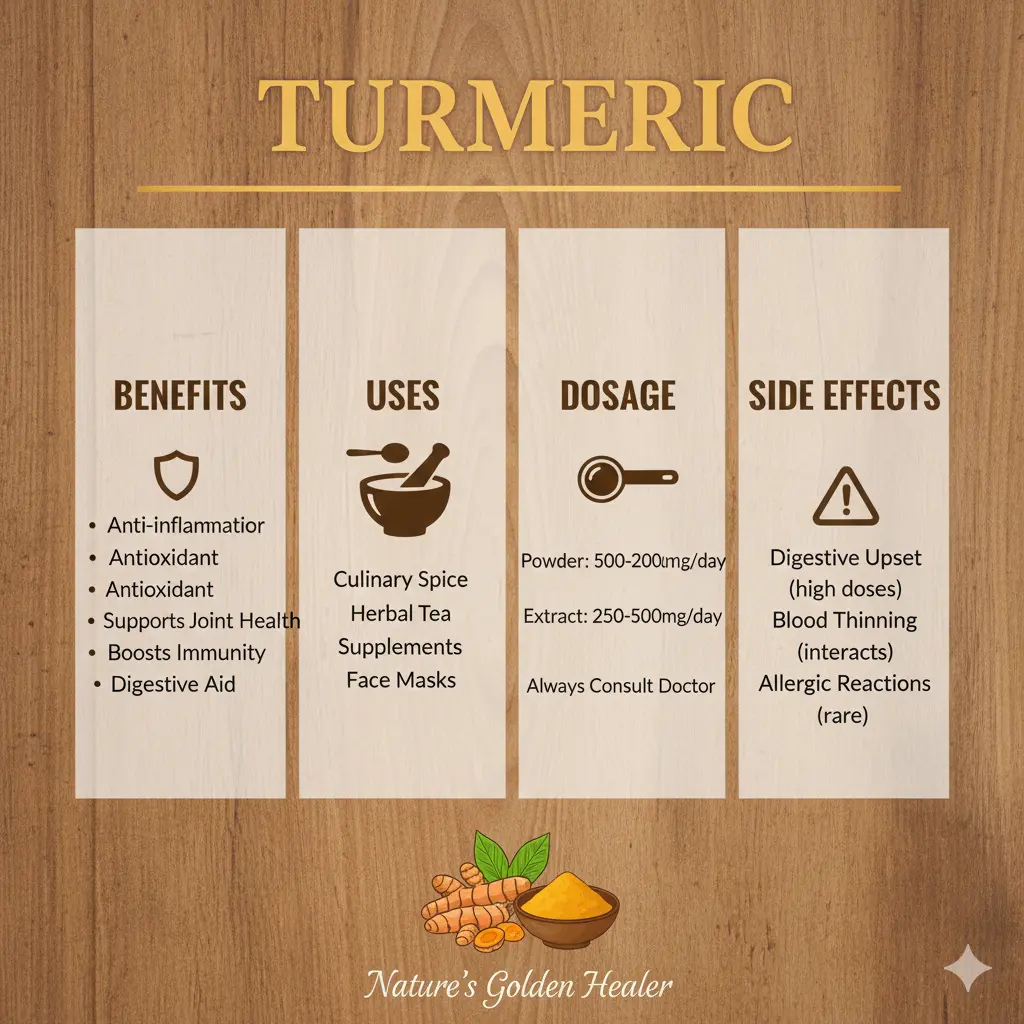
Turmeric (Curcuma longa)
- Supported for inflammation and digestive health
- Active compound: curcumin
- Backed by human clinical trials More
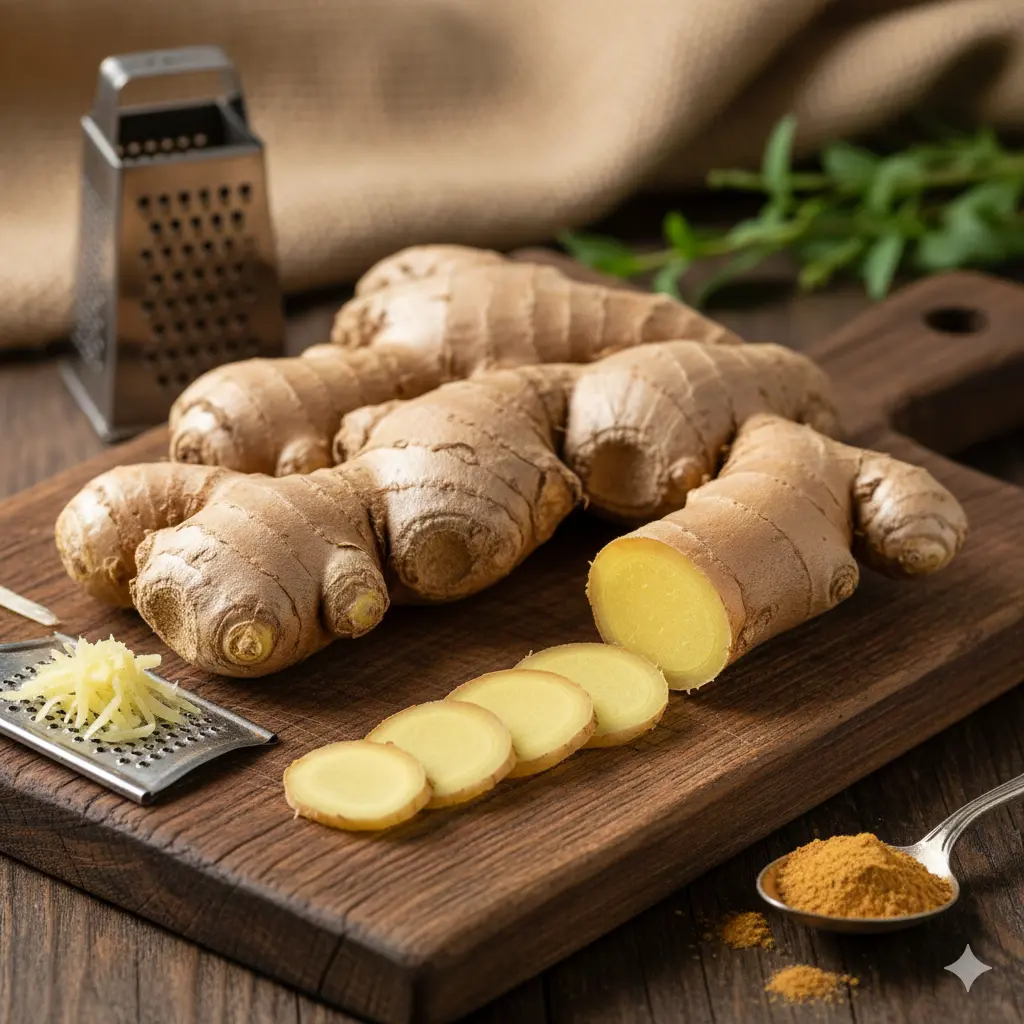
Ginger (Zingiber officinale)
- Effective for nausea and digestive discomfort
- Supported by randomized controlled studies More
Garlic (Allium sativum)
- Cardiovascular and immune benefits
- Documented antimicrobial effects More
Neem (Azadirachta indica)
- Skin and oral health applications
- Antimicrobial and anti-inflammatory properties More
Tradition vs Science: A Comparison Evidence-Based Herbal Medicine
| Aspect | Traditional Herbal Use | Evidence-Based Herbal Medicine |
|---|---|---|
| Knowledge Source | Oral tradition | Clinical research |
| Dosage | Approximate | Standardized |
| Safety Data | Limited | Documented |
| Medical Acceptance | Cultural | Global health authorities |
Short Case Example: Turmeric for Joint Health
A 2023 randomized clinical study compared curcumin extract with placebo in patients experiencing mild joint discomfort. Results showed:
- Reduced inflammatory markers
- Improved mobility scores
- Fewer side effects than NSAIDs
This supports turmeric’s transition from traditional remedy to evidence-based herbal medicine.
herbal clinical studies
How Clinical Studies Validate Herbal Medicine
Clinical validation involves:
- Identifying active compounds
- Testing bioavailability
- Measuring therapeutic outcomes
- Monitoring adverse effects
Only herbs that pass these stages are considered evidence-based.
Evidence Based Herbal Medicine: Proven WHO-Approved Herbs & Clinical Studies (2026)
Safety, Dosage & Standardization
One of the biggest advantages of evidence-based herbal medicine is dose accuracy.
WHO guidelines emphasize:
- Avoiding raw overdose
- Using standardized extracts
- Monitoring herb–drug interactions
herbal medicine safety
Evidence Based Herbal Medicine
Common Myths About Herbal Medicine
❌ “Natural means safe”
✔ Some herbs can be toxic in high doses
❌ “All herbs work the same for everyone”
✔ Individual health status matters
❌ “Traditional use equals proof”
✔ Scientific validation is required
Evidence Based Herbal Medicine & Modern Healthcare
Many countries now integrate herbal medicine into primary care systems. Examples include:
- Germany’s phytotherapy model
- China’s integrative medicine
- WHO traditional medicine strategy
This integration depends on evidence, not belief.
How to Identify Reliable Herbal Information
Look for: Evidence-Based Herbal Medicine
- WHO monographs
- PubMed-indexed studies
- National health authority references
- Transparent dosage information
Avoid blogs that make cure claims without citations.
Expert-Style Summary: What Makes Herbal Medicine Evidence-Based?
✔ Clinically studied benefits
✔ Clear safety guidelines
✔ Standardized dosing
✔ Transparent limitations
✔ Ongoing research updates
Evidence-based herbal medicine respects tradition without ignoring science.
Frequently Asked Questions (FAQ)
Is evidence based herbal medicine safe?
When used correctly and supported by clinical research, it is generally safe.
Does WHO approve herbal medicines?
WHO validates traditional use and scientific evidence but does not license herbs as drugs.
Can herbal medicine replace prescription drugs?
No. It may complement treatment but should not replace medical care without supervision.
Are herbal supplements regulated?
Regulation varies by country; quality and standardization are essential.
Are herbal medicines safer than pharmaceuticals?
Not always. Safety depends on dosage, quality, and interactions.
Conclusion: The Future of Herbal Medicine Is Evidence-Based
Evidence-based herbal medicine represents the future of natural healthcare. By combining centuries of traditional wisdom with modern clinical science, it offers a balanced, safe, and effective approach to wellness.
The future of natural healthcare depends on Evidence Based Herbal Medicine, where effectiveness, safety, and transparency are supported by scientific evidence rather than claims.
For anyone exploring herbal remedies in 2026, choosing evidence over hype is essential.
Explore Related Resources: